Source Short Sleeve Summer Women Pajamas for Home, Travel, and Sleep
Explore 30 options for short sleeve summer women pajamas, featuring cotton and polyester blends with customizable designs. Compare specifications like anti-wrinkle fabric, turn-down collars, and Jacquard weave patterns to find the right fit for your needs; compare the available evidence and request quotations based on your requirements.
Key considerations
Products List




Comprehensive Sourcing Guide
Short Sleeve Summer Women Pajamas Sourcing Guide
Sourcing short sleeve summer women pajamas requires balancing seasonal comfort with durable construction, as observed in listings featuring breathable and anti-wrinkle attributes. Buyers should prioritize suppliers offering customizable packing and design options to align with specific brand identities, noting that many models support custom logos via print or embroidery. The presence of standard cotton and polyester blends in the market suggests a focus on natural feel and easy care, essential for warm-weather sleepwear that must withstand frequent washing.
Procurement teams must verify that the selected models meet specific functional needs, such as warmth retention for cooler evenings or lightweight comfort for hot climates. While some listings indicate a standard thickness, the actual fabric weight should be confirmed to ensure the garment is suitable for summer use without being too heavy. Additionally, the availability of sample support allows buyers to physically assess the hand feel and drape before committing to larger orders, ensuring the final product matches the intended seasonal aesthetic.
Product Scope and Observed Listing Signals
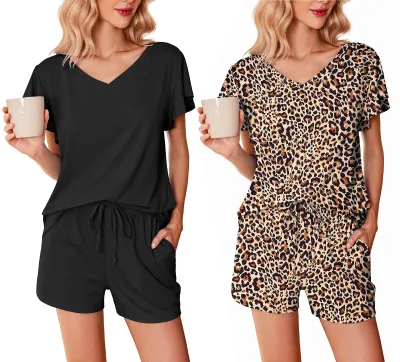
The current market for short sleeve summer women pajamas includes a diverse range of styles, from casual sets with turn-down collars to patterned designs featuring jacquard weaves. Buyers will observe that many suppliers offer models with specific features like anti-shrink properties and breathable fabrics, which are critical for maintaining garment integrity during summer wear. The variety in product models, ranging from specific codes like S289 to broader sleepwear lines, indicates a flexible supply chain capable of meeting different volume and style requirements.
Listing signals also reveal that customization is a primary driver, with many suppliers offering designs and printing as per customer requests. This flexibility extends to packaging, where options range from individual polybagging to customizable bulk solutions, allowing brands to control their unboxing experience. However, buyers should note that while some listings mention specific standards like 0.3kg, these figures often represent specific product variants rather than a universal industry benchmark for all short sleeve pajama sets.
Technical Specifications to Verify
When evaluating technical specifications, the material composition is the most critical factor, with 100% cotton and polyester-cotton blends being the most common options observed. Buyers must verify the exact fiber ratio to ensure the fabric provides the desired balance of breathability and durability, as pure cotton may wrinkle more easily while blends offer better shape retention. The weave structure, such as the observed jacquard weave, also impacts the texture and visual appeal, requiring close inspection to confirm it meets the brand's quality expectations for summer sleepwear.
Dimensional consistency and sizing are equally important, as some listings specify free size options while others rely on standard sizing charts. Buyers should confirm the availability of detailed size guides to prevent fit issues, especially since the target demographic is adults. Furthermore, the collar style, such as the turn-down collar noted in several models, should be verified for comfort and aesthetic alignment with the brand's image, ensuring that the short sleeve design does not compromise the overall silhouette or functionality of the pajama set.
Compliance and Safety Documentation
Compliance documentation for sleepwear must address flammability standards and chemical safety, particularly since these garments are worn directly against the skin during sleep. While some suppliers reference standards like OEKO-TEX, buyers should not assume certification without requesting valid test reports for the specific batch being ordered. It is essential to verify that the dyes and finishes used in the production process meet the safety regulations of the destination market, ensuring the product is free from harmful substances that could cause skin irritation.
Safety verification also extends to the physical construction of the garment, including the strength of seams and the security of any printed or embroidered logos. Buyers should request evidence that the production process adheres to the stated standards, such as the cotton or polyester requirements mentioned in some listings, to ensure consistency across the supply chain. Without explicit documentation, relying on general claims about safety can lead to compliance risks, making it imperative to secure written confirmation of adherence to relevant textile safety protocols before finalizing any purchase.
Cost Drivers and Commercial Terms
Cost drivers in this category are heavily influenced by material selection, with 100% cotton typically commanding a higher price point than polyester-cotton blends due to raw material costs and processing complexity. The level of customization, including custom designs, specific printing methods, and tailored packaging, also significantly impacts the final unit price. Buyers should anticipate that orders requiring unique patterns or specific logo placements will incur additional setup fees, which must be factored into the total cost of goods sold to maintain healthy profit margins.
Commercial terms vary widely, with observed minimum order quantities (MOQs) ranging from 500 to 1000 pieces depending on the supplier and the complexity of the order. Lead times for sample orders can be as short as seven days, but bulk production timelines will depend on the supplier's capacity and the specific model selected. Buyers must negotiate clear terms regarding payment schedules and shipping responsibilities, ensuring that the agreed-upon delivery dates align with their seasonal inventory planning to avoid stockouts during the peak summer demand period.
Supplier Qualification and Quality Control
Supplier qualification should focus on their ability to provide consistent quality across different production runs, particularly given the variability in observed product models and standards. Buyers should assess the supplier's track record in handling customization requests, as the ability to execute specific designs and printing methods accurately is a key indicator of operational maturity. Requesting references or case studies from previous clients can provide insight into the supplier's reliability and their capacity to meet tight deadlines without compromising on product quality.
Quality control protocols must be rigorous, covering everything from fabric inspection to final garment assembly. Buyers should implement a clear inspection plan that includes checking for defects in the weave, ensuring the anti-wrinkle and anti-shrink features are effective, and verifying that the packaging meets the agreed-upon specifications. Regular third-party inspections or on-site audits can help identify potential issues early in the production process, ensuring that the final shipment of short sleeve summer women pajamas meets the brand's high standards for comfort and durability.
Long-Term Procurement Checks
Long-term procurement success relies on establishing a partnership with suppliers who can adapt to changing market trends and consumer preferences. Buyers should regularly review supplier performance metrics, including on-time delivery rates, defect rates, and responsiveness to quality issues, to ensure the relationship remains productive. It is also important to stay informed about new material innovations and design trends that could enhance the product line, allowing the brand to maintain a competitive edge in the summer sleepwear market.
Continuous improvement in the supply chain involves periodic re-evaluation of cost structures and commercial terms to ensure they remain favorable as volumes grow. Buyers should maintain open communication with suppliers to discuss potential cost-saving opportunities, such as optimizing packaging or consolidating orders, without sacrificing quality. By fostering a collaborative environment, brands can secure a reliable supply of high-quality short sleeve summer women pajamas that consistently meet customer expectations and support long-term business growth.
FAQs
What materials are used for these pajamas?
The pajamas are made from 100% Cotton or Polyester/Cotton blends. These materials ensure breathability and comfort for home wear. The fabric choices support anti-wrinkle and anti-shrink properties, making them durable for daily use. Customers can select the material that best fits their seasonal needs and comfort preferences.
Can I customize the logo on the pajamas?
Yes, logo customization is available for these pajamas. You can choose print or embroidery options to brand the garments. The design and printing can be tailored to your specific request. This service allows businesses to create unique products that align with their brand identity and marketing strategies effectively.
What is the minimum order quantity for these items?
The minimum order quantity varies by product model. Some items require 500 pieces, while others may need 1000 pieces. The observed MOQ range is 1 to 1000 pieces depending on the specific style. Buyers should check the specific model details to determine the exact MOQ required for their order.
Are samples available for these pajamas?
Samples are supported for these pajamas. Suppliers provide samples to help buyers evaluate quality before placing bulk orders. The sample order lead time is typically around 7 days. This allows buyers to verify the fabric, fit, and customization options before committing to a larger production run.
Where are these pajamas manufactured?
These pajamas are manufactured in China, specifically in Zhejiang. The origin is clearly stated as Zhejiang, China for many models. This location is a known hub for textile and sleepwear production. Buyers can rely on this origin for consistent manufacturing standards and supply chain efficiency.
What styles are available for these pajamas?
Available styles include casual pajama sets with turn-down collars and long sleeves. Some models feature jacquard weave patterns or logo prints. The designs cater to adults seeking warmth and comfort at home. Options range from patterned fabrics to plain styles, allowing for versatile selection based on customer preference.